How Illinois Buyers Are Getting into Homes with Just $1,000 Down
If you have been putting off buying a home because you assume you need tens of thousands of dollars saved up first, you are not alone. It is the single biggest reason renters in Orland Park, Tinley Park, Frankfort, Oak Forest, and Matteson tell us they are still renting instead of owning.
Through the Federal Home Loan Bank of Chicago's Downpayment Plus Program, income-eligible buyers in Illinois may qualify for up to $10,000 in forgivable grant money to help cover a down payment, closing costs, and required homebuyer education. For many buyers, that means the cash needed to get to the closing table can be as low as $1,000.

What Is the Downpayment Plus Program?
The Downpayment Plus Program, often shortened to DPP, is administered by the Federal Home Loan Bank of Chicago and delivered through local participating lenders. It is designed to help income-eligible households cover some of the biggest obstacles standing between renting and owning: the down payment, the closing costs, and the cost of required homebuyer education.
A few things worth understanding up front:
- It is a grant, not a second loan. The assistance is forgivable, meaning you are not making monthly payments on it the way you would with a second mortgage.
- Funds are limited and distributed on a first-come, first-served basis. Lenders reserve funding for approved applicants while money remains available for the year. Once a lender's allocation is used up, buyers have to wait for the next funding cycle.
- It works through participating banks and credit unions, not directly through FHLBank Chicago. You will apply through a lender that participates in the program, who handles the reservation and paperwork on your behalf.
- It is meant for primary residences. Investment properties and second homes do not qualify.
Because funding is limited and allocated on a first-come, first-served basis, timing matters. If you are seriously considering buying in the next year, it is worth finding out where things stand sooner rather than later.
What This Actually Means for You as a Buyer
It is easy to read "grant program" and assume there is a catch. Here is what the program genuinely offers a buyer, laid out plainly.
Less cash needed upfront. Instead of scraping together a full down payment plus thousands in closing costs, qualifying buyers may only need to bring around $1,000 of their own money to the table, with the rest of the down payment and closing costs covered by the grant, up to $10,000.
Nothing to repay if you stay put. The grant is forgiven over time as long as you continue living in the home as your primary residence. It is not free money with no strings attached forever, but it is not a loan you are paying interest on either.
Built-in education that actually helps. The program requires buyers to complete a homebuyer education course. This sounds like a hurdle, but most first-time buyers who go through one say it clears up confusion about the process, from what an appraisal checks for to how escrow accounts work. You walk into the closing table with a clearer picture of what you signed up for.
You are not limited to one lender or one type of loan. The grant works alongside conventional, FHA, and other standard mortgage products through participating lenders, so you still have flexibility in how you structure your financing.
It is not only for first-time buyers. A common misconception is that down payment assistance programs are reserved for people who have never owned a home. In many cases, the program is available to any income-eligible buyer purchasing a primary residence, not exclusively first-timers. It is still worth confirming your specific situation with a participating lender, but do not assume you are automatically excluded if you have owned before.
Do You Qualify? The Basics
Every lender confirms the details case by case, but the general framework looks like this:
- Household income at or below 80% of the area median income (AMI). This is calculated using HUD guidelines and adjusted for household size and county, so the exact number varies depending on how many people live in your household and where you are buying.
- The home must be your primary residence. Rental and investment purchases are not eligible.
- A minimum buyer contribution, often as low as $1,000. You are still expected to have some skin in the game, just far less than a traditional down payment.
- Completion of an approved homebuyer education course. This is a requirement, not optional paperwork.
- A retention period. Because the grant is forgiven gradually over roughly five years, selling or refinancing before that period ends may require repaying a prorated portion of the assistance.
Income limits and exact program terms can shift from year to year and lender to lender, so the most reliable way to know where you stand is to talk with a participating lender directly rather than guess based on last year's numbers.
Why This Is Worth Paying Attention to in Orland Park, Tinley Park, Frankfort, Oak Forest, and Matteson
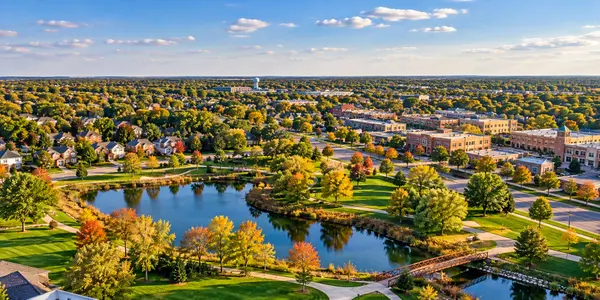
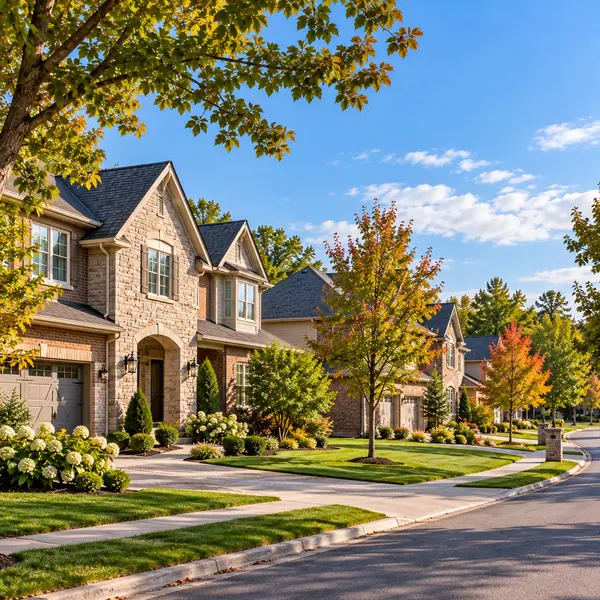
These south suburban Chicago communities have long been popular with buyers who want more space, good schools, and a genuine sense of community, without the price tag of homes closer to the city. That is exactly the kind of market where a program like this makes the biggest difference.
Orland Park and Tinley Park offer a mix of established neighborhoods and newer developments, with easy access to shopping, forest preserves, and Metra service into downtown Chicago. Frankfort is known for its charming downtown and family-friendly feel, while Oak Forest tends to offer some of the more approachable price points in the area for buyers who want a starter home with room to grow. Matteson rounds things out with a strong sense of community and its own Metra Electric line stop, making it a practical option for commuters who still want suburban space.
For a lot of renters in these towns, the math has simply not worked out. Rent keeps climbing, but saving 10 or 20 percent of a home price on top of closing costs feels out of reach. A program that can knock the upfront cash requirement down to around $1,000 changes that equation significantly, especially in a mid-range and affordable price bracket where these communities tend to shine.
How the Process Actually Works, Step by Step
- Talk to a participating lender. Not every bank offers the Downpayment Plus Program, so start by confirming which local lenders participate and what their current funding availability looks like.
- Get pre-qualified. Your lender will look at your income, debts, and household size to confirm eligibility for both a mortgage and the grant.
- Complete your homebuyer education course. This is usually done online or through an approved local provider and does not take long to finish.
- Start house hunting with your budget in mind. This is where working with a local agent pays off. You want someone who understands which towns, neighborhoods, and price points fit what you actually qualify for. Browsing current listings or curated home selections is a good place to start getting a feel for what is out there.
- Your lender reserves the grant. Once you are under contract, your lender submits the reservation for grant funds on your behalf.
- Close on your home. The grant is applied at closing, reducing what you need to bring in cash.
Running your numbers through a mortgage calculator before you start touring homes is also a smart way to get a realistic sense of what a monthly payment could look like once the grant is factored in.
Questions First-Time Buyers Tend to Ask
- Is this too good to be true? No, but it does come with real requirements. Income limits, the primary residence rule, and the five-year retention period are all genuine conditions, not fine print designed to trip you up. Read them, understand them, and you will know exactly where you stand.
- What if I have owned a home before? Do not assume you are excluded. Eligibility is generally based on income and the home being your primary residence, not strictly on first-time buyer status. Confirm with a participating lender.
- What if the funds run out before I am ready to buy? Because assistance is distributed first-come, first-served while funding lasts for the year, it is worth starting the conversation with a lender early, even if you are still a few months out from being ready to make an offer.
- Does this limit which homes I can buy? The grant applies to the purchase of a primary residence financed through a participating lender. It does not restrict you to a specific list of homes, so you can still shop the full market within your qualifying price range.
- What happens if I sell within five years? Because the grant is forgiven gradually, selling or refinancing before the retention period ends may mean repaying a prorated share of the assistance. This is standard for programs of this type and worth discussing with your lender before you buy if there is any chance you will move again soon.
Start Getting Your Home Now
Programs like this exist because saving for a down payment is genuinely one of the hardest parts of buying a first home, not because buyers cannot manage a mortgage responsibly. If you have been sitting on the sidelines waiting until your savings account looks a certain way, this may be the nudge to check where you actually stand.
Every household's income, savings, and homebuying timeline looks different, and figuring out how a program like this fits your specific situation is easier with someone who knows the local market. If you are exploring what is available in Orland Park, Tinley Park, Frankfort, Oak Forest, Matteson, or anywhere else in the Chicagoland area, Craig Jackson has spent years helping buyers in these communities navigate financing options and find homes that fit their budget from start to closing.
You can browse current homes for sale, explore local neighborhoods, or reach out directly to start a no-pressure conversation about your options. There is also more homebuying guidance available on the RTCraig blog if you want to keep learning before you take the next step.
Down payment assistance programs like this one are subject to lender approval, income eligibility, and available funding, and the specific terms can change from year to year. Not every applicant will qualify. Always confirm current details directly with a participating lender before making any financial decisions.
Categories
Recent Posts