Oak Forest IL Relocation Guide for Homebuyers
Moving to Oak Forest, IL puts you in a mid-range, family-oriented suburb on Chicago's southwest side where you can own a detached home in the low to mid $300s (as of mid-2026), commute to downtown Chicago on the Metra Rock Island District in roughly 50 minutes, and spend weekends on 27 miles of Forest Preserve trails, all without stretching a typical Chicago-area household budget to its limit.
What Kind of Place Is Oak Forest?
Oak Forest is a residential suburb, not a commuter-dense downtown village. The U.S. Census Bureau's American Community Survey (2020 to 2024) puts the population at approximately 26,792, spread across just over six square miles of Cook County. The owner-occupied housing rate sits at 82.4%, which tells you something important: most people here are putting down roots, not passing through.
The community is genuinely diverse. The same Census data shows residents identifying across multiple racial and ethnic backgrounds, with Hispanic or Latino residents representing about 18.4% of the population and Asian residents making up another 5.8%. Around 23.7% of households speak a language other than English at home. For a suburb of its size, that kind of demographic range is notable.
Median household income lands at $91,990 in 2024 dollars, well above the national median, which puts Oak Forest squarely in the working professional and dual-income family category. The poverty rate is low, at 6.5%, and 94.1% of adults 25 and older hold at least a high school diploma.
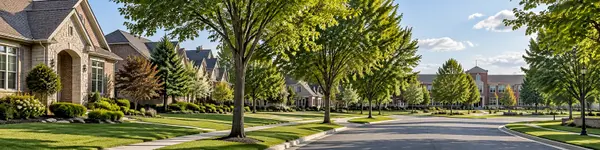
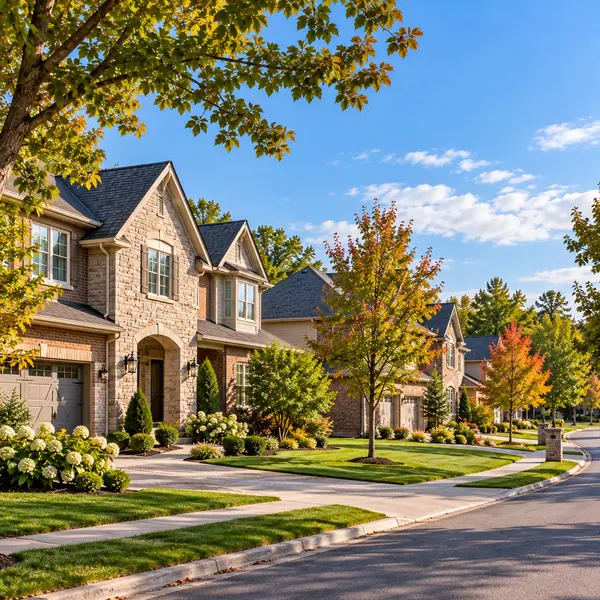
The vibe on the ground is quiet and residential. Streets are lined with mid-century ranch homes, split-levels, and the occasional newer build. There are no walkable downtown blocks with boutiques and coffee shops, but that's not what most people moving to Oak Forest are looking for. They're looking for space, stability, and value.
Oak Forest Housing: What the Market Actually Looks Like
The Oak Forest housing market sits in a genuinely affordable range by Chicagoland standards, and that affordability is now being tested by rising demand.
Aggregated MLS listing data for the three months ending June 2026 shows a median sale price of $320,000, up 6.4% compared to the same period the prior year. Homes are selling in around 47 days on average, reflecting a competitive but not frenzied market where prepared buyers with financing in order are winning deals.
The Census Bureau's 2020 to 2024 ACS pegs the median value of owner-occupied housing at $255,100, a figure that reflects the broader multi-year average across all home types, including older stock. The two numbers together paint an accurate picture: Oak Forest is mid-range, with entry-level inventory still available below $250,000 and move-up homes in the $300,000 to $400,000 range.
Renters will find the median gross rent at $1,328 per month per Census 2020 to 2024 ACS. Single-family rentals and townhomes tend to sit at the upper end of that range, while smaller apartments or garden units lean lower.
Property taxes in Cook County are notably high by national standards, and Oak Forest is no exception. Because tax rates in Illinois are set at the local taxing-district level, the effective rate on a given property varies by parcel. Before making an offer, request the most recent tax bill from the listing and factor that number into your monthly carrying cost.
An affordability and mortgage calculator can help you run those numbers quickly, and homes for sale offer a current read on available inventory and local pricing trends.
Getting Around: Commute and Transportation
Oak Forest's single best transit asset is its Metra station. The Oak Forest station sits at 159th Street and Cicero Avenue on the Metra Rock Island District line, which runs directly into LaSalle Street Station in downtown Chicago in roughly 50 minutes. The line expanded to 84 trains on weekdays when a new schedule took effect in June 2026, with weekend service also available.
A notable detail for budget-minded commuters: in 2024, the City of Oak Forest eliminated daily parking fees in all of its commuter lots. The main Arbor lot holds 481 spaces, and the station itself is modern, fully accessible, and equipped with bike parking, lockers, and indoor waiting areas. That free parking benefit is not universal across Metra's network, and it makes a meaningful difference for daily commuters.
For those who drive, Oak Forest sits at the junction of Illinois Route 50 (Cicero Avenue) and US Route 6 (159th Street), giving reasonably direct highway access. The Census 2020 to 2024 ACS puts the mean commute time for Oak Forest workers at 31.8 minutes, which aligns with a typical suburban Chicago drive to south-side employment corridors.
Local bus service serves the area with connections at the Metra station, though most residents rely primarily on a personal vehicle for local errands and school runs.
Schools Serving Oak Forest
Oak Forest is served by multiple school districts, which is worth understanding before you buy, since district boundaries don't always follow city limits cleanly.
Elementary and middle school students are generally served by Community Consolidated School District 146, which covers much of the city. At the high school level, most Oak Forest students attend Oak Forest High School, part of Bremen High School District 228, located at 15201 South Central Avenue directly in the city.
A portion of Oak Forest's western neighborhoods feeds into a separate high school district. Both high schools operate under accreditation by the Illinois State Board of Education.
Before finalizing a home purchase, confirm which district boundary a specific address falls in. Elementary-level district coverage can be granular enough that two homes on the same block occasionally feed into different attendance zones.
For families with younger children, Oak Forest also has access to private and parochial school options, and a nearby community college offers accessible post-secondary education.
Parks, Trails, and Outdoor Life
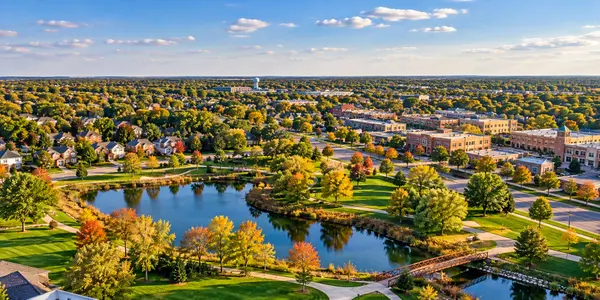
The Tinley Creek Trail System, managed by the Forest Preserves of Cook County, gives Oak Forest residents direct access to 27.3 miles of paved and unpaved trails, an unusually strong outdoor amenity for a suburb in this price range.
The system runs directly through and around Oak Forest, passing through prairies, woodlands, wetlands, and alongside the Midlothian Reservoir. It accommodates hiking, cycling, cross-country skiing, and leashed dogs. The introductory Purple Loop covers 3.1 miles from the Yankee Woods trailhead, while experienced cyclists can string together routes up to 16 miles. The Forest Preserves of Cook County also added a new 29-acre preserve near Oak Forest's eastern border in September 2024, expanding the area to nearly 300 acres of protected greenspace.
For residents who prioritize an active outdoor lifestyle, this access is genuinely rare at this price point. Comparable trail infrastructure in higher-cost suburbs often means a 20-minute drive to reach the trailhead. In Oak Forest, it can mean a short bike ride from your driveway.
The city also hosts a weekly Farmers Market on Wednesday evenings, run through a partnership with a local marketplace, providing a gathering point for residents during warmer months.
Local Dining, Shopping, and Day-to-Day Life
Oak Forest is a suburban community with retail scaled accordingly. Daily needs, grocery shopping, and chain restaurants are well represented along Cicero Avenue and in nearby commercial corridors.
For local dining, Oak Forest has a handful of well-regarded neighborhood spots. Blarney Stone Pub on South Cicero Avenue is a local staple with a full bar, craft beer list, and a menu built around pizza and burgers, with a private banquet room that sees steady use for community events. The dining scene is casual and unpretentious, consistent with the neighborhood's character.
Major retail and shopping are accessible a short drive away for those wanting a broader selection, and the Metra connection puts the Loop and all of Chicago's neighborhoods within reach on a consistent schedule for those wanting a full urban experience on the weekend.
Cost of Living Snapshot
Here is a summary of what the numbers look like for a household evaluating Oak Forest in 2026, drawing on Census data and current market figures:
| Category | Overview |
|---|---|
| Median home (owner-occupied) | $255,100 (Census 2020 to 2024 ACS) |
| Median sale price (recent market) | $320,000 (aggregated MLS listing data, three months ending June 2026) |
| Median gross rent | $1,328/month (Census 2020 to 2024 ACS) |
| Median household income | $91,990 (Census 2020 to 2024 ACS) |
| Mean commute time | 31.8 minutes (Census 2020 to 2024 ACS) |
| Property tax | Higher than national average, varies by parcel |
The overall picture is a community where a household at or above the area median income can realistically afford homeownership, carry reasonable commuting costs, and access substantial outdoor recreation without paying a premium for proximity to the city.
Is Moving to Oak Forest, IL the Right Call?
Oak Forest makes the most sense for relocators who want a detached home with a yard, a reliable downtown Chicago commute by train, and direct access to trails and parks, at a price point that leaves room in the budget for everything else. It is a particularly strong fit for first-time buyers moving out of a rental situation in the city, families prioritizing square footage over walkability, and dual-income households who value the combination of low entry cost and good transit.
It's a harder fit for people who want to walk to coffee, restaurants, and bars on a nightly basis. Moving to Oak Forest is ultimately a trade on space and value over urban convenience, and for the right household, that trade is an easy one to make.
Frequently Asked Questions About Moving to Oak Forest, IL
- Is Oak Forest, IL an affordable suburb? By Chicagoland standards, yes. Aggregated MLS listing data for the three months ending June 2026 puts the median sale price at approximately $320,000. The median household income in Oak Forest (Census 2020 to 2024 ACS) sits at $91,990, meaning ownership is within reach for many local earners without requiring an outsized mortgage relative to income. That said, Cook County property taxes are significantly higher than the national median, so buyers should calculate the full monthly cost, not just principal and interest.
- How long is the Metra commute from Oak Forest to downtown Chicago? The Oak Forest station on the Metra Rock Island District line connects to LaSalle Street Station in downtown Chicago in approximately 50 minutes. The station at 159th Street and Cicero Avenue offers free parking in city-operated commuter lots (daily fees were eliminated in 2024), and the line runs 84 trains on weekdays as of June 2026. It's a workable daily commute for most downtown office-based workers.
- What school district is Oak Forest in? Oak Forest is served by multiple districts. Elementary and middle school students in most of the city attend schools in Community Consolidated School District 146. High school students primarily attend Oak Forest High School in Bremen High School District 228, though a portion of western Oak Forest addresses feed into a different high school district. Confirming the specific district for any address before purchase is strongly recommended.
- What are the best outdoor activities in Oak Forest? The Tinley Creek Trail System is the primary draw, offering 27.3 miles of paved and unpaved trails through prairies, woodlands, and wetlands directly accessible from Oak Forest. The system accommodates hiking, cycling, cross-country skiing, and dog walking. A weekly Farmers Market runs on Wednesday evenings during warmer months.
If you're comparing what your budget affords in Oak Forest against other options in the area, or want a free home value estimate on a property you already own, Craig Jackson Real People Realty works with buyers and sellers across the southwest Chicago suburbs and can be reached at (708) 516-6253 or craig@rtcraig.com.
Categories
Recent Posts